

Looking for a dairy-free butter substitute? Explore our guide below to find the best alternatives to butter, from olive oil to coconut oil, with tips for each swap. Learn how to make substitutions for similar results in a variety of recipes.
Jump to:
Uses
Butter is a common ingredient in many recipes from savory to sweet. Its high saturated fat content means that it's solid at room temperature, meaning it's great for baking but can also be used for pan-frying or melted to add flavor to sauces, dips and more.
Baking - Since butter is a solid fat, it's great for making flaky pastry, pie crust, laminated doughs, and biscuits. It can also be creamed with sugar to incorporate air into cookie doughs and cake batters which helps them rise.
Frostings - Softened butter can be whipped with sugar into various frostings like American, Swiss, and French Buttercream.
Sautéing - Pan-frying or sautéing vegetables or protein in butter adds flavor and encourages browning.
Sauces - Used as a base for many classic sauces like hollandaise, béarnaise, beurre blanc, and beurre monté, butter helps to emulsify sauces giving them body and richness.
Adding flavor - Browning butter can add flavor to baked goods and fish dishes. You can also infuse butter with herbs and spices to drizzle over dishes or add to sauces and dips. Rubbing butter under the skin of a roast chicken is a classic way to add flavor and moisture to the meat, too.
Confit - Slow-cooking protein or vegetables in a generous amount of butter is a classic French technique which enhances natural sweetness and adds a rich finish.
Greasing baking dishes - The spreadable texture of butter makes it ideal for using to grease baking dishes as it clings to the sides and prevents casseroles and baked goods sticking to the bakeware.
As a topping or spread - A pat of butter on pancakes, toast, or biscuits enhances flavors and adds moisture. It can also be flavored with mix-ins (like herbs or fruit) to make compound butter which adds a burst of flavor to each bite.
What is a good non-dairy replacement for butter?
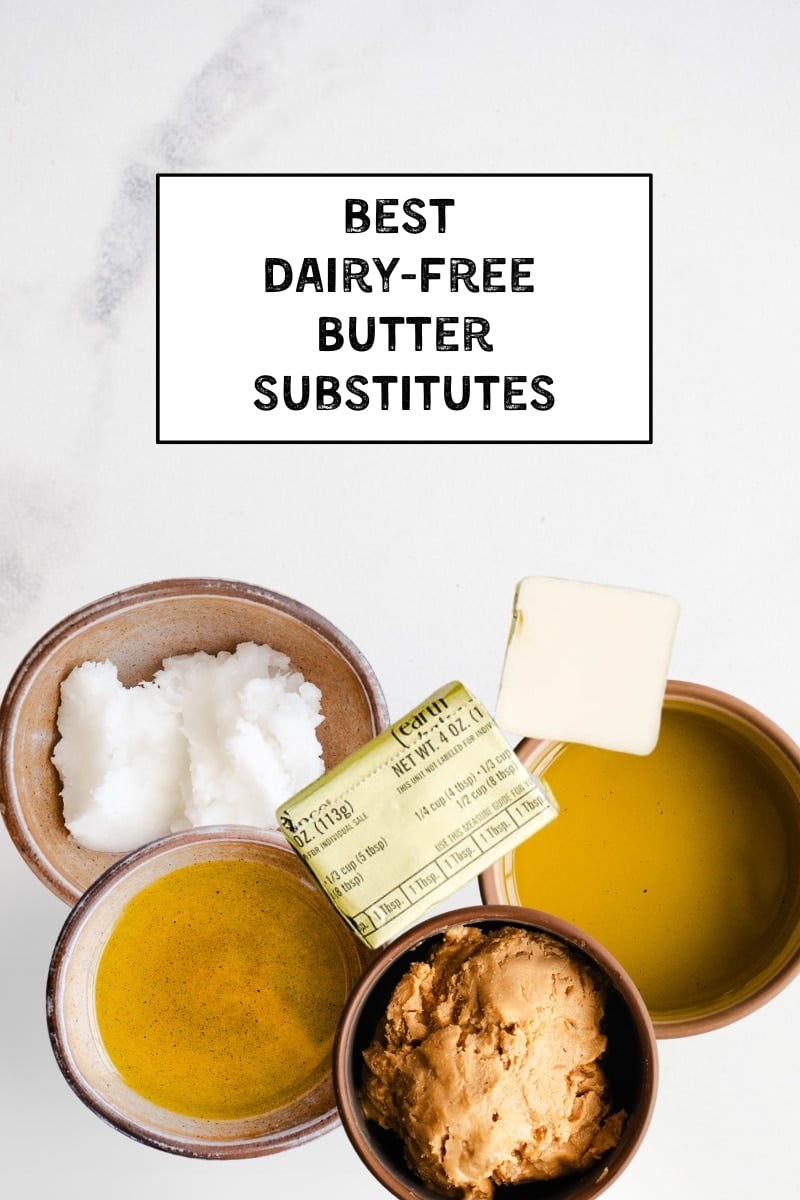
Vegan Butter
The easiest swap to make is to use a dairy-free, vegan butter in place of traditional butter. It works great for pretty much all applications where you would usually use dairy butter.
Vegan butters are usually made with oils which have been emulsified with liquid to create a creamy, spreadable fat that's solid at room temperature. Look for one which comes in block or stick form (not in a tub), which feels nice and firm when gently squished, and check the fat content is around 70-80% for the best results.
NB: Most vegan butters contain salt, so you may need to adjust the amount of added salt in your recipe when substituting for unsalted butter.
To substitute: use a 1:1 ratio.
Refined Coconut Oil
This natural fat comes from extracting oil from the flesh of a coconut. It's high in saturated fat, meaning it's solid at room temperature, so works well for baking recipes where you want a flaky texture (e.g. pie crust or biscuits) or a light, fluffy texture (e.g. cake batter). It also works well for sautéing as it has a high smoke-point so can be used for high-heat cooking.
Unrefined coconut oil has a coconutty flavor which works well for certain cuisines or recipes but is undesirable in others. Opting for refined coconut oil means you don't have to worry about this flavor coming through as it has a completely neutral taste.
To substitute:
Baking: Use ¾ cup oil + ¼ cup water (or non-dairy milk) per 1 cup butter.
Sautéing: Use a 1:1 ratio.
Avocado Oil
Extracted from the flesh of avocados, this oil has a high smoke point making it great for sautéing. It can also be used in baking in recipes like quickbreads or cake batters, although it won't work in pie crusts or biscuits.
To substitute:
Baking: Use ¾ cup oil + ¼ cup water (or non-dairy milk) per 1 cup butter.
Sautéing: Use a 1:1 ratio.
Olive Oil
Flavorful extra virgin olive oil can be infused with flavors of spices, garlic, or herbs for drizzling over dishes or toast but its low smoke point means it's not recommended for pan-frying or roasting. It can also be used in baking (e.g. cake batter, yeasted breads, cookies) where you want the flavor of the oil to come through.
Light (i.e. refined) olive oil works well for sautéing and roasting as it has a higher smoke point. Its more neutral flavor also means you can use it for cakes where you don't want the taste of the oil to be prominent.
To substitute:
Baking: Use ¾ cup oil + ¼ cup water (or non-dairy milk) per 1 cup butter.
Sautéing: Use a 1:1 ratio.
Cashew Butter
This paste of cashew nuts has a slightly sweet, roasty flavor and creamy texture. It's great as a topping on toast, pancakes, or biscuits. You can also swap butter for cashew butter in some baking (e.g. cookies, cakes, brownies) although it's best to only do this if you're a confident baker as results may vary depending on the recipe you're tweaking.
To substitute:
Baking: Use 2 cups cashew butter per 1 cup butter.
Spreading: Use a 1:1 ratio.
Top tips
- Butter has a typical fat content of 75-82% with the remaining content being water and milk solids. Oils are made up of 100% fat. This means when you substitute butter with any oil when baking, you'll need to use slightly less oil than you would butter. E.g. for 1 cup butter, you'll need to use ¾ cup oil plus ¼ cup liquid.
- Liquid oils will not work for pie crusts, laminated pastries, or biscuits as a solid fat is needed to make flaky layers. Use vegan butter or coconut oil for these applications.
- Vegan butter is the best substitute for frostings and sauces as it has a buttery flavor and will help stabilize the mixture.
- Extra-virgin olive oil, virgin (unrefined) coconut oil, and virgin avocado oil will all impart a specific flavor into the finished dish. If you're looking for a more neutral taste, go for the refined versions of these oils.
FAQs
No, both are solid fats which are made out of emulsified oils, but margarine often contains dairy-based additives.
Yes, vegan butter works perfectly as a 1:1 swap for dairy butter in baking.
Vegan butter is the best swap to make for texture and flavor. Cashew butter provides a similar creamy texture but is sweeter and nuttier.
Conclusion
In conclusion, there are plenty of dairy-free butter substitutes to use in all kinds of recipes, from baking to savory cooking. Vegan butter is the most versatile, but oils (like olive, avocado, and coconut oil) can work in certain applications too.
When substituting it's important to consider the texture and flavor of the finished dish to ensure the best results.
Leave a Reply