

Looking for a coconut nectar substitute? Explore our guide to discover the best coconut nectar alternatives, including maple syrup, agave nectar, and honey. Learn how to make substitutions for similar results in a variety of recipes.
Jump to:
What is coconut nectar?
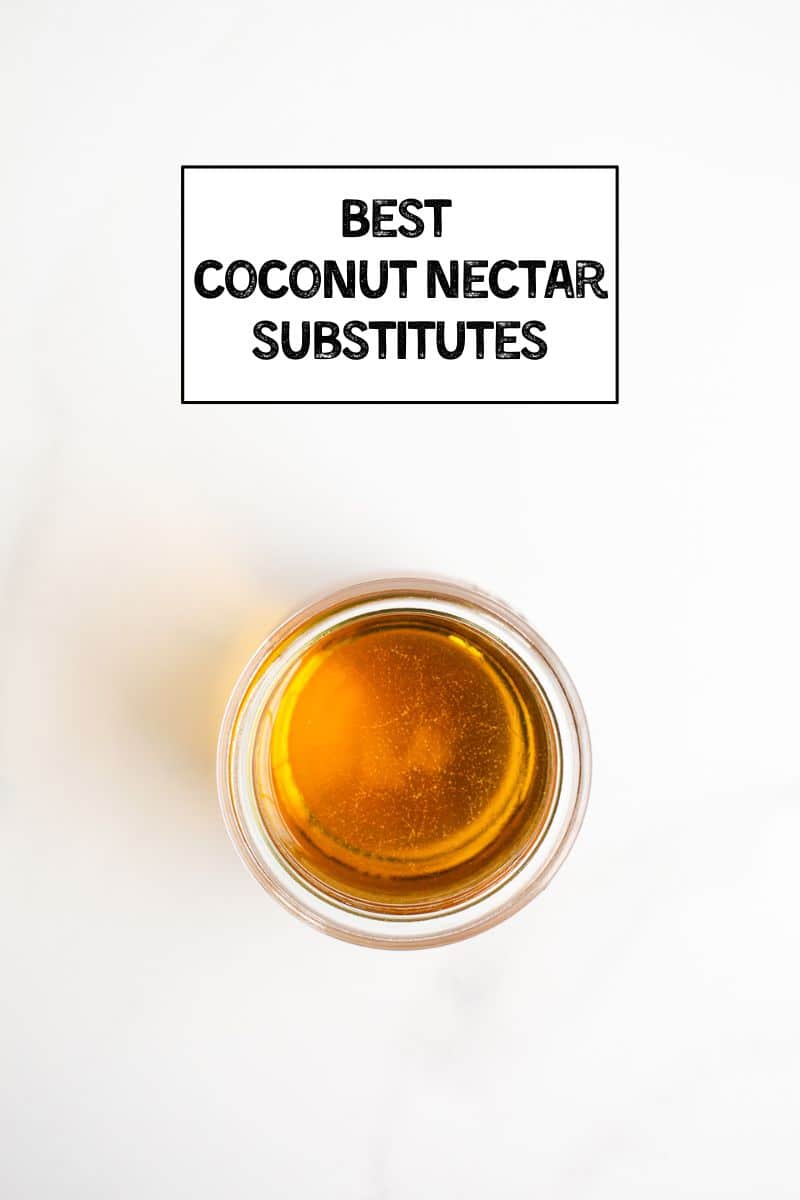
Coconut nectar is a natural sweetener made from the sap of coconut palm blossoms. Farmers tap the flower buds of the coconut tree, collect the sap, and then gently heat it to reduce the water content. The result is a thick, amber-colored syrup with a mild, caramel-like flavor. It is a healthier alternative to white sugar.
Coconut nectar contains small amounts of minerals (like potassium, zinc, magnesium, and iron) and amino acids. Coconut nectar is considered to have a low glycemic index and won't raise blood sugar levels compared to other natural and artificial sweeteners. It is naturally gluten-free, vegan, and suitable for dairy-free diets.
Uses
Coconut nectar is versatile sweetener and can be used in a variety of sweet and savory dishes. Here are the most common ways it's used in cooking and baking:
- Baking - Used as a natural sweetener in cookies, cakes, brownies, breads and muffins. Adds moisture and a light caramel note, making it especially useful in gluten-free baking.
- Sauces and marinades - Balances salty, spicy, or tangy flavors in Asian-inspired sauces, BBQ marinades, and glazes. Helps create a glossy finish when reduced.
- Beverages - Dissolves easily in hot and cold drinks. Sweetens tea, coffee, lattes, smoothies, and even cocktails without overpowering flavors.
- Breakfast - Drizzled over pancakes, waffles, oatmeal, vegan chia pudding, or dairy-free yogurt bowls. Works as a natural topping for granola or fresh fruit.
- Dressings and condiments - Blended into vinaigrettes, dips, or homemade nut butter sauces to balance acidity.
- Raw & no-bake treats - Popular in bliss balls (like salted caramel bliss balls), vegan protein bites, raw nut bars, and other no-bake desserts where liquid sweeteners help bind ingredients.
What is a good substitute for coconut nectar?
1. Maple Syrup
Pure maple syrup is a natural sweetener from the tapped sap of maple trees. It has a smooth, caramel-like flavor with subtle earthy undertones. With a consistency similar to coconut nectar, it makes a reliable substitute. Maple syrup is best for baking, drizzling, and dressings.
To substitute, use a 1:1 ratio.
2. Agave Syrup
Agave syrup, also known as agave nectar, is derived from the agave plant. This natural sweetener is thinner than coconut nectar and significantly sweeter. It has a very mild, almost neutral flavor. It dissolves easily and works especially well in cold drinks, smoothies, or raw desserts.
To substitute, use slightly less agave (about ¾ cup agave for 1 cup coconut nectar). This is due to it being much sweeter than coconut nectar.
3. Honey
Raw honey is a thick, sticky sweetener made by bees. Honey has floral and fruity notes depending on its variety. It mimics coconut nectar syrup's texture well but has a more distinctive taste. It is a good choice for baked goods, sauces, or glazes. Honey is not considered vegan.
To substitute, use a 1:1 ratio.
4. Brown Rice Syrup
Brown rice syrup is made from fermented brown rice. This syrup is less sweet than coconut nectar and has a mild, nutty flavor. Its thick texture makes it excellent for binding granola bars, cereal bites, or snack bars. Since it's not as sweet, you may need to use a little more than what is called for in the recipe or use an additional dry sweetener.
To substitute, use a 1:1 ration. Since brown rice syrup is not as sweet, you can use 1 ¼ cups brown rice syrup for 1 cup of coconut nectar. If baking, you'll need to reduce one of the other liquids in the recipe by 1-2 tablespoons.
5. Molasses
Molasses is a byproduct of sugarcane or sugar beet processing. Molasses is dark, thick, and packed with bold, almost smoky flavors. It's much stronger than coconut nectar, so it works best in recipes that can handle its intensity like gingersnap cookies, spice cookies, or BBQ marinades. It is often best when mixed with a milder syrup like maple to balance the taste.
To substitute, use ½ molasses + ½ mild syrup (like maple) to balance flavor.

Top Tips for Substituting Coconut Nectar
Choose a Liquid Sweetener - Coconut nectar is a syrup, so swap it with other liquid sweeteners (like maple syrup, agave, or honey) to keep the same texture in your recipe.
Adjust for Sweetness - Coconut nectar is less sweet than agave or honey, but sweeter than brown rice syrup. Reduce or increase amounts accordingly so flavors stay balanced.
Mind the Flavor Profile -
Maple syrup: closest in taste.
Agave: neutral, won't overpower.
Molasses: bold, works in spiced or savory dishes.
Watch Moisture Balance - Thinner syrups (like agave) can add too much liquid to baked goods. If needed, reduce other liquids by 1-2 tablespoons.
Consider Diet Preferences - Honey is a good substitute, but not vegan. Stick to maple or agave if keeping the recipe plant-based.
Conclusion
Coconut nectar is a wonderful ingredient, but whether you're avoiding it or just out of it, there are plenty of substitutes to keep your recipes on track. From baking swaps to sweetening drinks, there is an option here for every dish.

Leave a Reply